
Jeep Grand Cherokee Oil Selection Guide for All Seasons
The Jeep Grand Cherokee requires specific oil types to maintain optimal performance throughout changing seasons. Whether navigating through frigid winter temperatures or tackling the heat of summer, understanding the correct oil selection ensures your vehicle operates at peak efficiency while extending engine life.
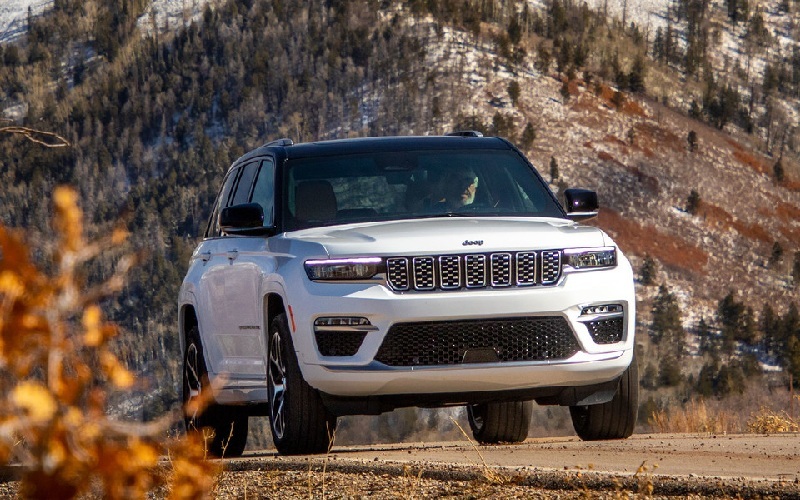
Oil Viscosity Ratings
The Jeep Grand Cherokee oil requirements have evolved over the years, with newer models typically requiring thinner oils than their predecessors. Oil viscosity ratings appear as two numbers separated by a "W" (which stands for winter). The first number indicates how the oil flows in cold temperatures, while the second number refers to its flow characteristics at high temperatures.
For example, in a 5W-30 oil, the "5W" means the oil performs like a viscosity grade 5 oil in winter conditions, while the "30" indicates its high-temperature performance. Lower first numbers (like 0W) indicate better cold-weather performance, which is crucial for Canadian winters where temperatures can drop well below -20°C.
Recommended Oil Types for Newer Grand Cherokee Models
Recent Grand Cherokee models equipped with the popular 3.6L Pentastar V6 engine have seen a progression in recommended oil types over the years:
2011-2015 models: Originally specified 5W-30, then moved to 5W-20
2016-2018 models: Many specified 5W-20
2019 and newer models: Most recommend 0W-20
This progression toward thinner oils reflects the automotive industry's push for improved fuel economy and reduced emissions. The newer 0W-20 oil flows more easily at startup, reducing engine wear while helping to achieve better fuel efficiency ratings.
Regardless of the specific viscosity recommended for your Grand Cherokee, it's important to use oil that meets Chrysler's MS-6395 specification. This ensures the oil contains the proper additive package to protect your engine's components, including the critical variable valve timing system (cam phasers).
Winter Oil Selection for Extreme Cold
When temperatures plummet below -25°C, oil selection becomes especially critical for your Grand Cherokee. In these extreme conditions, consider the following:
For 2019 and newer models that specify 0W-20:
Continue using the manufacturer-recommended 0W-20 oil, as it's already optimized for extreme cold
Ensure you're using a full synthetic formula, which performs significantly better than conventional or blend oils in frigid temperatures
For older models (2011-2018) that specify 5W-20 or 5W-30:
Consider switching to 0W-20 or 0W-30 for winter months if experiencing cold starts below -30°C
Return to the recommended weight during spring and summer
The "0W" rating indicates superior cold-flow properties that help protect your engine during those first crucial seconds after a cold start. At -30°C, a 5W oil becomes significantly thicker than a 0W oil, potentially causing momentary oil starvation to critical engine components.
Summer Oil Considerations for Hot Weather
During summer months when temperatures consistently exceed 30°C, your Grand Cherokee engine oil faces different challenges:
For models specifying 0W-20:
Most quality synthetic 0W-20 oils provide adequate protection even in summer heat
If regularly driving in extreme heat (above 35°C) or towing in summer, some owners opt for 5W-20 for additional high-temperature protection
For models specifying 5W-20 or 5W-30:
Stick with the recommended viscosity, as these oils already offer good high-temperature protection
Consider a high-quality synthetic oil with enhanced heat resistance if regularly towing or driving in mountainous regions
It's worth noting that modern synthetic oils perform well across a much wider temperature range than conventional oils from previous decades. The viscosity improvers used in today's synthetics maintain more consistent properties regardless of temperature extremes.
Synthetic vs. Conventional: The Clear Winner
While some older Grand Cherokee models originally specified conventional or blend oils, the performance advantages of full synthetic oils make them the superior choice for all models, especially in a climate with temperature extremes:
Better cold-weather flow properties, critical for -30°C winter starts
Superior high-temperature stability for summer driving and towing
Extended drain intervals (though always follow manufacturer's recommendations)
Enhanced protection for critical engine components
Improved fuel economy
The price difference between conventional and synthetic oils continues to narrow, making synthetic the logical choice for maintaining your Grand Cherokee performance across all seasons.
Special Considerations for Specific Grand Cherokee Engines
Different Grand Cherokee engines have specific oil requirements that should be considered:
3.6L Pentastar V6
This popular engine option has used various oil specifications over its production run:
Early models (2011-2015): 5W-30, later updated to 5W-20
Recent models (2019+): 0W-20
The variable valve timing system in this engine benefits from high-quality oils that meet MS-6395 specification
5.7L HEMI V8
Typically requires 5W-20 oil meeting MS-6395
Some owners use 5W-30 in extremely hot conditions or when regularly towing
3.0L EcoDiesel
Requires specialized diesel-specific oil meeting MS-10902
Typically uses 5W-30 diesel-rated synthetic oil
Oil changes are especially critical with the emission system on these models
SRT Models (6.4L HEMI)
Require 0W-40 synthetic meeting MS-12633
This specialized high-performance oil helps protect the engine under the extreme conditions these performance models experience
Oil Change Intervals and Seasonal Transitions
The Grand Cherokee oil change indicator system calculates when an oil change is necessary based on your driving conditions. However, for seasonal protection:
Consider changing oil at the onset of winter with the appropriate cold-weather formulation
Spring oil changes ensure winter contaminants are removed from the system
Extended idling during winter months can contaminate oil more quickly, potentially requiring more frequent changes
When transitioning between seasons, allow your vehicle to go through at least one full oil change cycle with the new oil type before making judgments about performance differences.
Jeep Grand Cherokee: Reliability and Performance
The Jeep Grand Cherokee continues to define the midsize SUV category, combining cutting-edge technology, versatile performance, and refined design. Maintaining proper oil selection across all weather conditions ensures your Grand Cherokee delivers the reliability and performance you expect, whether navigating urban streets or exploring remote trails in the harshest conditions.
Five Facts About Jeep Grand Cherokee Oil Usage
1. The Grand Cherokee oil consumption specification allows for up to 0.5 litres of oil consumption per 1,600 kilometres as "normal" - higher than many passenger cars.
2. The 3.6L Pentastar V6 engine uses an oil cooler system that can actually warm the oil in extreme cold and cool it during extreme heat.
3. Jeep Grand Cherokee models sold in northern regions come from the factory with oil specifically formulated for colder temperatures.
4. The progression from 5W-30 to 0W-20 oil in the Grand Cherokee has contributed to approximately 2% improvement in fuel economy over the model years.
5. The Grand Cherokee engine computer actually adjusts various parameters based on oil viscosity and temperature, including idle speed and timing.
Questions and Answers
What happens if I use the wrong oil viscosity in my Grand Cherokee?
Using oil with too high a viscosity in cold weather can cause poor oil circulation during startup, potentially leading to premature engine wear. Conversely, using oil with too low a viscosity in extreme heat or towing conditions may not provide adequate protection. Always consult your owner's manual for the recommended viscosity.
How often should I change the oil in my Jeep Grand Cherokee?
Most modern models utilize an oil life monitoring system that calculates when an oil change is necessary based on your specific driving conditions. This typically results in intervals between 8,000-16,000 kilometres. However, severe conditions like extreme temperatures, frequent short trips, or towing may require more frequent changes.
Does the Grand Cherokee require synthetic oil?
While earlier models permitted conventional or blend oils, Jeep now recommends full synthetic oil for all models. Newer models specifically require synthetic oil to meet warranty requirements and ensure proper operation of advanced engine technologies like variable valve timing.
What oil specification should I look for when buying oil for my Grand Cherokee?
Look for oil meeting FCA/Chrysler specification MS-6395, which ensures the oil contains the proper additive package for your engine. For SRT models, use oil meeting MS-12633, and for EcoDiesel models, use oil meeting MS-10902.
Can I switch between different oil viscosities seasonally?
For optimal performance, you can switch between manufacturer-approved viscosities seasonally. For example, using 0W-20 in winter and 5W-20 in summer is acceptable in models that specify 5W-20. However, always stay within the manufacturer's recommended viscosity range to avoid warranty issues.
*Disclaimer: Content contained in this post is for informational purposes only and may include features and options from US or international models. Please contact the dealership for more information or to confirm vehicle, feature availability.*

