
RAM 1500 Fuel System: Durability With Innovative Technology
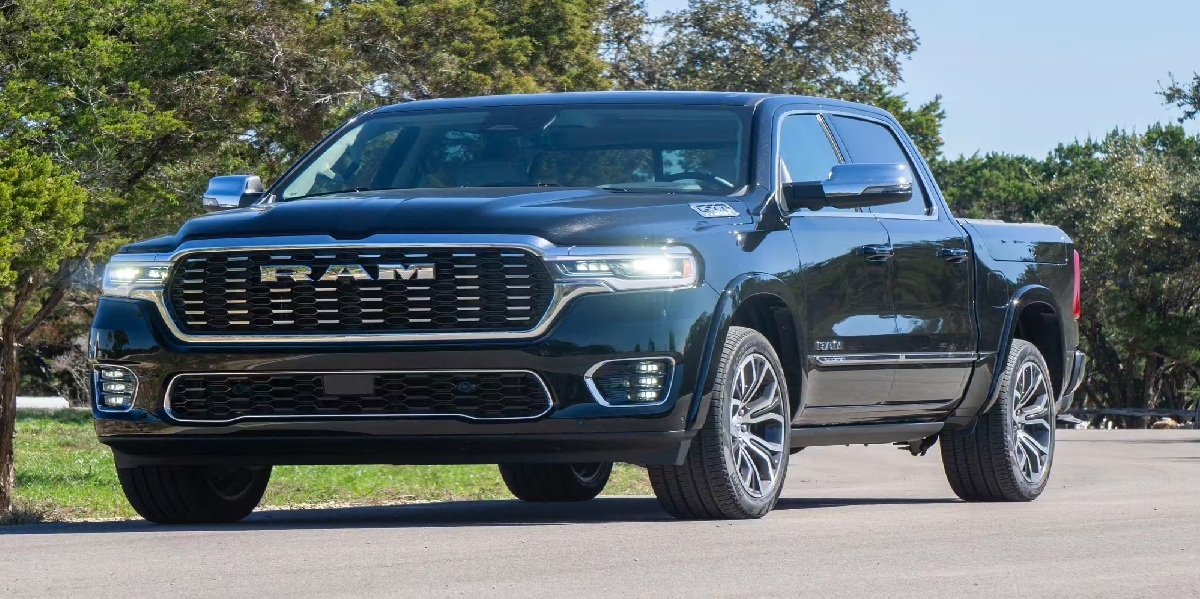
The RAM 1500 stands as one of the most versatile and capable pickup trucks available, with a fuel system engineered to balance performance, efficiency, and reliability. Understanding the intricacies of this system provides insight into how RAM has optimized fuel delivery across various powertrain options, ensuring consistent performance whether towing heavy loads or cruising on highways. The fuel system’s design represents a critical component in the truck’s overall engineering philosophy, combining traditional durability with innovative technology.
Fuel Tank Options and Configurations
The fuel tank configurations available for the RAM 1500 represent a significant aspect of the vehicle’s overall utility. Standard models typically feature an 87-liter (23-gallon) fuel tank, while mid-range configurations often include a 98-liter (26-gallon) tank. For drivers requiring maximum range, an optional 125-liter (33-gallon) tank is available on select models, extending driving range considerably between refuelling stops.
Tank placement and design maintain ground clearance and protect the tank from potential off-road hazards. The fuel tanks are constructed from high-density polyethylene (HDPE), providing excellent impact resistance while reducing weight compared to traditional steel tanks. This construction also eliminates concerns about corrosion that could affect fuel quality or system integrity over time.
The tanks incorporate internal baffles to minimize fuel slosh during acceleration, braking, and off-road maneuvers. This design feature helps maintain consistent fuel delivery to the pump even when the tank is nearly empty or when driving on severe inclines. Models equipped with the 3.0L EcoDiesel engine include a separate diesel exhaust fluid (DEF) tank with approximately 18-liter capacity, supporting the emissions control system.
Fuel Delivery Components
The RAM 1500 fuel delivery system varies somewhat depending on engine type, but maintains consistent architecture across the lineup. At its core, an electric fuel pump mounted inside the tank pressurizes fuel and delivers it to the engine through specialized fuel lines. This in-tank placement helps cool the pump and reduces the potential for vapour lock issues during hot weather operation.
In gasoline-powered models, the fuel pressure regulator maintains appropriate system pressure based on engine demand, while a returnless fuel system design helps reduce fuel temperature buildup. This design eliminates the traditional return line that would recirculate heated fuel back to the tank, instead precisely controlling the fuel pump output based on engine requirements.
Fuel filtration occurs at multiple stages throughout the system. The primary fuel filter, typically located near or inside the fuel tank, removes larger contaminants before fuel reaches the high-pressure pump. Secondary filtration occurs before the fuel enters the injection system, ensuring that sensitive components remain protected from potentially damaging particles.
The fuel rail distributes pressurized fuel to individual injectors, with pressure sensors providing feedback to the engine control module for precise management. This closed-loop system continuously adjusts delivery based on driving conditions, temperature, and engine load to optimize both performance and efficiency.
Electronic Fuel Management
Modern RAM 1500 trucks utilize sophisticated electronic fuel management systems that precisely control fuel delivery across all operating conditions. The engine control module (ECM) uses inputs from multiple sensors—including throttle position, mass airflow, oxygen sensors, and knock sensors—to calculate the ideal air-fuel ratio for any given scenario.
This system enables advanced features such as cylinder deactivation on HEMI V8 engines, where four of the eight cylinders can shut down during light load conditions, significantly improving fuel efficiency. The transition between eight and four-cylinder operation occurs seamlessly, with the fuel injectors for deactivated cylinders temporarily disabled while the valvetrain components are in a closed position.
Electronic throttle control eliminates the traditional mechanical linkage between the accelerator pedal and throttle body, instead using a sensor at the pedal to communicate driver input to the ECM. This arrangement allows for more precise throttle response and integration with cruise control, trailer sway control, and adaptive speed control systems that can modulate engine power as needed.
eTorque Integration with Fuel System
The innovative eTorque mild hybrid system available on both the 3.6L Pentastar V6 and 5.7L HEMI V8 engines introduces additional complexity and capability to the fuel system. This 48-volt mild hybrid system replaces the traditional alternator with a belt-driven motor generator unit that can provide brief torque assist during acceleration and enable more refined stop-start functionality.
The eTorque system interfaces with the fuel management system to optimize engine operation, particularly during start-stop events. When the vehicle comes to a complete stop, the engine can shut down completely, halting fuel consumption. Upon accelerator input, the system can restart the engine in approximately 400 milliseconds—faster than the driver can move their foot from brake to accelerator—with the eTorque motor providing initial torque while the engine resumes fuel combustion.
This integration extends to fuel-cut operation during deceleration and coasting. The system can temporarily suspend fuel delivery when appropriate, recovering energy through regenerative braking to charge the 48-volt battery system. When power is needed again, the eTorque system can provide immediate response while the fuel system ramps up delivery, creating a seamless driving experience with improved efficiency.
Diesel Fuel System Specifics
RAM 1500 models equipped with the 3.0L EcoDiesel V6 feature specialized fuel system components designed for the unique requirements of diesel operation. These include a high-pressure common rail direct injection system operating at pressures up to 2,000 bar, enabling extremely precise fuel atomization for improved combustion efficiency and reduced emissions.
The diesel fuel system incorporates additional filtration to remove water and particulates that could damage the high-precision injection components. A water separator with sensor alerts the driver when water accumulation requires draining, while a fuel heater prevents fuel gelling in extremely cold temperatures by warming the diesel fuel before it reaches critical system components.
Cold weather operation is further enhanced by ceramic glow plugs that warm the combustion chambers during startup, reducing the cranking period and improving initial combustion quality. The engine control module manages glow plug operation based on ambient temperature, ensuring optimal startup performance across varying conditions.
Five Facts About the RAM 1500 Fuel System
The fuel tank on 4x4 models features a unique design with indentations to accommodate driveshaft clearance, resulting in its distinctive shape compared to 4x2 models.
The RAM electronic fuel management system can make up to 80 adjustments per second to the fuel delivery system, constantly optimizing the air-fuel ratio based on driving conditions.
The 125-liter (33-gallon) extended range fuel tank option can provide over 1,000 kilometers of highway driving range in efficiently configured models.
The returnless fuel system used in modern RAM 1500 trucks can maintain fuel up to 20 degrees cooler than traditional return-style systems, improving fuel stability and reducing vapour formation.
The fuel pump module in the RAM 1500 contains an integrated pressure regulator, temperature sensor, and level sensor in a single serviceable unit, simplifying maintenance while improving reliability.
Questions and Answers About the RAM 1500 Fuel System
What fuel tank sizes are available for the RAM 1500?
This truck offers three primary fuel tank configurations: a standard 87-liter (23-gallon) tank on base models, a 98-liter (26-gallon) tank on many mid-range configurations, and an optional 125-liter (33-gallon) extended range tank on select models. The available tank size may vary depending on cab configuration, bed length, and drivetrain selection.
How does the eTorque system interact with the RAM 1500 fuel system?
The eTorque mild hybrid system works in conjunction with the fuel system to improve efficiency through several mechanisms. It enables more refined start-stop functionality by shutting down the engine at complete stops, temporarily suspending fuel consumption. The system can also provide immediate torque during acceleration while the fuel system ramps up delivery, and it enables more aggressive fuel-cut during deceleration, recovering energy through regenerative braking while temporarily suspending fuel injection.
What are the main differences between the fuel systems in gasoline and diesel RAM 1500 models?
Diesel-equipped models feature significantly different fuel system components, including a high-pressure common rail direct injection system operating at up to 2,000 bar, compared to the lower-pressure port injection in gasoline models. The diesel system also includes additional filtration with water separation capability, fuel heating elements for cold-weather operation, and specialized high-pressure pumps. Additionally, diesel models require a separate diesel exhaust fluid (DEF) system with its own tank and injection components to treat exhaust emissions.
How does the fuel system accommodate the cylinder deactivation feature in HEMI V8 engines?
The electronically controlled fuel system works in concert with the Multi-Displacement System (MDS) to seamlessly transition between eight and four-cylinder operation. When conditions permit, the system deactivates fuel injectors for four cylinders while simultaneously closing the corresponding intake and exhaust valves. The fuel management system precisely adjusts delivery to the remaining active cylinders to maintain smooth operation, with the ability to reactivate all eight cylinders within milliseconds when additional power is requested.
What maintenance is recommended for the RAM 1500 fuel system?
Regular maintenance for the fuel system includes replacing the fuel filter at recommended intervals (particularly important for diesel models), using high-quality fuel from reputable sources, and keeping the fuel tank at least one-quarter full to ensure the fuel pump remains sufficiently cooled. Diesel owners should regularly drain the water separator when indicated by the dashboard warning light, and all owners should periodically check for fuel line leaks or damage, particularly after off-road driving. The fuel system should also be inspected during routine service appointments to ensure proper pressure regulation and injector performance.

