
What the Steer Condition Reveals in a Used Vehicle Inspection
The steering system serves as a critical window into the overall health of a used vehicle. When evaluating a pre-owned automobile, few components reveal more about its maintenance history, accident past, and general condition than the steering assembly. Understanding what to look for in the steering system can mean the difference between driving away with a reliable vehicle or inheriting someone else's mechanical nightmare.
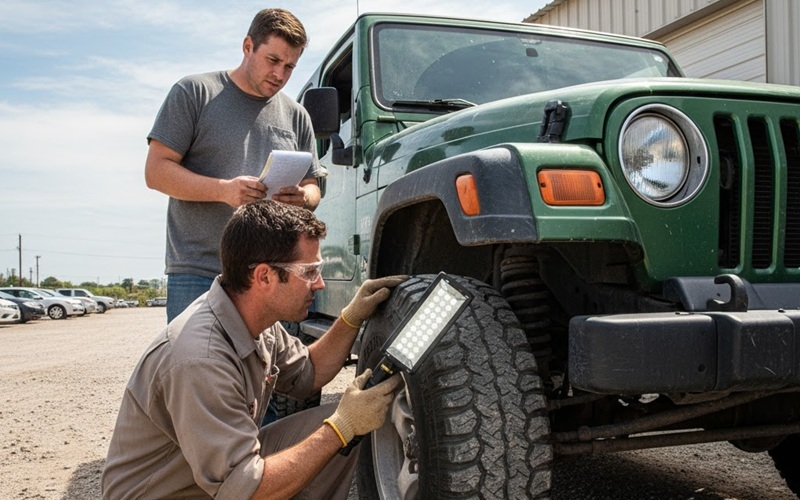
The Steering System: Your First Line of Assessment
When you grip the steering wheel of a used vehicle, you're connecting directly to one of its most crucial safety systems. The steering assembly consists of multiple components working in harmony to translate your hand movements into directional control. This system includes the steering wheel, steering column, rack and pinion (or steering box in older vehicles), power steering pump, steering fluid, tie rods, and various bushings and joints.
The condition of these components speaks volumes about how well the previous owner maintained the vehicle. A well-maintained steering system typically indicates an owner who took regular care of their vehicle, while steering issues often suggest neglect in other areas as well.
What Professional Inspections Focus On
Professional mechanics evaluate several key aspects of a vehicle's steering system during pre-purchase inspections:
Steering Fluid Condition
The condition of the power steering fluid provides immediate insights into maintenance practices. Fresh, clean fluid should be clear or slightly amber. Dark, burnt-smelling, or contaminated fluid indicates poor maintenance or potential system issues. Low fluid levels can point to leaks in the system, which may require costly repairs.
In hydraulic power steering systems, the fluid transfers power from the steering pump to the steering gear. Contaminated fluid can accelerate wear on expensive components like the power steering pump and rack and pinion assembly.
Free Play Assessment
Excessive free play—the distance the steering wheel can be turned before the wheels begin to respond—reveals wear in the steering components. Ideally, there should be minimal free play (usually less than 10mm of movement at the steering wheel rim).
Significant free play often indicates worn tie rod ends, loose steering box adjustments, or deteriorating rack and pinion components. These issues not only affect handling but can pose serious safety concerns if left unaddressed.
Power Steering Pump Evaluation
The power steering pump should operate quietly and smoothly. Whining, groaning, or squealing noises when turning the wheel suggest a failing pump or low fluid levels. A compromised pump can lead to heavy steering or complete steering assistance failure.
Modern vehicles feature electric power steering systems that eliminate the traditional hydraulic pump. These systems should operate silently and provide consistent assistance. Intermittent power assistance or warning lights indicate expensive electronic or mechanical failures.
Road Test Revelations
While a static inspection provides valuable information, a thorough road test reveals even more about the steering system's condition.
Straight-Line Stability
A properly functioning steering system should allow the vehicle to track straight with minimal steering input. Pulling to one side can indicate alignment issues, uneven tire wear, or more serious steering and suspension problems. While alignment itself is an inexpensive fix, the underlying causes—such as worn control arm bushings or bent components from previous impacts—can be costly to address.
Turn Response Consistency
When navigating corners, the steering should feel consistent and predictable. Steering that feels different when turning left versus right often indicates worn components or previous damage. Such asymmetrical behaviour frequently stems from a previous collision that wasn't properly repaired.
Vibration Analysis
Vibrations felt through the steering wheel can reveal multiple issues. A steady vibration that increases with speed typically points to wheel balance problems, while vibrations during braking suggest warped rotors. However, irregular vibrations during turning maneuvers often indicate worn steering components or damaged suspension parts.
Return to Center Performance
After completing a turn, the steering wheel should naturally return to center without driver assistance. Poor return-to-center behaviour suggests misalignment, binding in the steering column, or worn steering components.
Common Steering Issues and Their Implications
The specific steering problems present in a used vehicle often reveal its history and overall condition.
Tight Spots and Binding
Steering that feels inconsistent through its range of motion—with spots that feel tight or binding—often indicates internal damage to the rack and pinion assembly. This typically results from impact damage or severe lack of maintenance.
In vehicles with hydraulic steering systems, these symptoms can sometimes be addressed with a steering fluid flush. However, more frequently, they indicate the need for a complete rack and pinion replacement—an expensive repair that may suggest the vehicle experienced front-end damage.
Excessive Noise During Turns
Clunking, popping, or clicking noises when turning at low speeds typically indicate worn tie rod ends, ball joints, or steering linkage components. These noises represent more than just an annoyance—they signal that critical suspension and steering components are approaching failure.
While individual components like tie rod ends are relatively inexpensive, labour costs for replacement can be significant. More importantly, these symptoms suggest the vehicle has likely been driven with worn components for an extended period, potentially causing accelerated wear to related systems.
Power Steering Leaks
Fluid leaks from the power steering system indicate deteriorating seals or damaged components. While small seeps around the pump might be manageable, active drips or puddles suggest more serious issues that require immediate attention.
The location of leaks provides additional insights. Leaks at the rack and pinion often necessitate complete assembly replacement, while pump leaks might be addressed with seal kits. Either way, leaks indicate deferred maintenance and potential for system failure.
What These Issues Reveal About Vehicle History
Steering system problems don't exist in isolation—they tell a story about the vehicle's past and offer clues about its overall condition.
Collision History
Subtle steering issues often reveal undisclosed collision history. Alignment that cannot be adjusted appropriately, steering that pulls despite new components, or racks that bind intermittently frequently indicate previous structural damage that wasn't properly repaired.
These symptoms might appear in vehicles with clean history reports, as minor accidents often go unreported. The steering system essentially serves as a truth detector for undisclosed damage.
Maintenance Patterns
The condition of the steering system reflects broader maintenance patterns. Vehicles with neglected steering components typically show similar neglect in other areas. If the power steering fluid is dark and contaminated, chances are high that other fluids haven't been serviced properly either.
Conversely, a steering system in excellent condition with documentation of recent service suggests a conscientious owner who likely maintained other systems with similar care.
Usage Patterns
Heavy wear in the steering system can reveal how the vehicle was used. Premature tie rod or ball joint wear often indicates rough road usage or aggressive driving habits. These patterns of use typically affect other vehicle systems similarly, potentially shortening the lifespan of various components.
The steering system serves as a window into a used vehicle's soul, revealing its history, maintenance, and potential future issues. By understanding what the steering condition says about a pre-owned vehicle, you gain valuable insights that go far beyond what appears on paper. Whether you're evaluating a compact sedan or a full-size pickup, the steering never lies—it tells the true story of the vehicle's past and offers clues about what ownership might entail in the future.
Five Facts About Steering Systems in a Used Vehicle
1. The average steering system contains over 15 individual components that can wear or fail, making it one of the most complex mechanical systems to assess in a used vehicle.
2. Vehicle steering systems typically last 130,000 to 150,000 kilometres before requiring significant component replacement, making them excellent indicators of a vehicle's true mileage.
3. Electric power steering systems introduced after 2010 eliminated traditional hydraulic fluid but introduced complex electronic components that can cost twice as much to replace when they fail.
4. A properly functioning steering system should require no more than 10 newtons of force to turn when the vehicle is stationary, with modern systems requiring even less.
5. The presence of aftermarket steering components often indicates previous repairs following a collision, even when the vehicle history report shows no accidents.
Questions and Answers About a Used Vehicle
How can I quickly check if a used vehicle has steering issues?
Start with the vehicle stationary and engine running. Turn the wheel fully left and right, listening for unusual noises. Then perform a quick road test, paying attention to how the vehicle tracks in a straight line and how the steering feels during turns. Finally, check for power steering fluid leaks by looking for reddish fluid puddles under the front of the vehicle or around the steering rack.
What does a "clunking" noise when turning indicate?
Clunking noises when turning typically indicate worn tie rod ends, ball joints, or steering linkage components. These are safety-critical parts that connect your steering system to the wheels. Their failure can lead to complete loss of steering control. These noises suggest components are approaching failure and require immediate inspection and likely replacement.
Is power steering fluid service really necessary?
Absolutely. Power steering fluid deteriorates over time, losing its lubricating and hydraulic properties. Contaminated fluid accelerates wear on expensive components like the power steering pump and rack and pinion assembly. Most manufacturers recommend changing this fluid every 80,000 to 100,000 kilometres, but many owners neglect this service, which can lead to premature system failure.
Can alignment issues indicate previous accidents?
Yes, alignment issues that persist despite professional adjustment often indicate previous structural damage. When a vehicle's frame or subframe is bent in a collision, the alignment may never return to factory specifications. This can manifest as uneven tire wear, a steering wheel that's off-center when driving straight, or a vehicle that constantly pulls to one side despite new steering components.
How much does steering feel differ between vehicles?
Steering feel varies significantly between manufacturers and models. German luxury vehicles typically offer heavier, more direct steering feel, while Japanese models often provide lighter steering with less feedback. American vehicles generally fall somewhere in between. What matters most is consistency—the steering should feel uniform throughout its range of motion without tight spots, vibrations, or excessive play.
*Disclaimer: Content contained in this post is for informational purposes only and may include features and options from US or international models. Please contact the dealership for more information or to confirm vehicle, feature availability.*

